I used to think recovery was just the fluff around running—the stretching, the naps, the occasional yoga session I swore I’d commit to (but never really did). My mindset was simple: more miles = better runner. So, I’d lace up day after day, pushing through fatigue because that’s what strong runners do, right?
Wrong.
The truth hit me hard after one too many “dead-leg” runs and a not-so-fun brush with burnout. It turns out, recovery isn’t extra credit—it’s the whole class. Without it, all the hard work we put into training doesn’t stick.
And if I’ve learned anything as a busy mom juggling runs, kid drop-offs, and cheering on the sidelines of club sports, it’s this: recovery doesn’t just happen. You have to plan for it, just like you plan a long run.
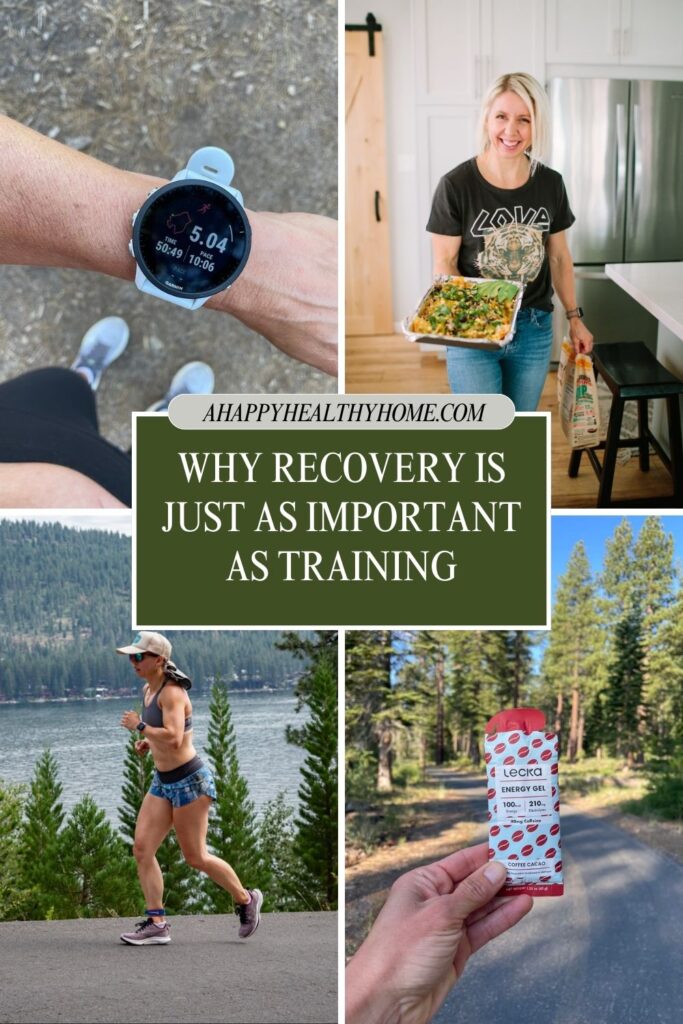
The Story: When Training Took Over
Last year, I signed up for a half marathon and got serious about training. My weeks were packed: tempo runs, long runs, cross-training, strength. Add in the chaos of parenting a 10-year-old (club sports parents, you get me) and I was stretched thinner than my favorite pair of race shorts.
At first, I was proud of myself. I was “making it work.” But soon the cracks showed. My easy runs didn’t feel easy, I was cranky at dinner (sorry, family), and I had this constant fatigue that coffee couldn’t fix.
That’s when I realized—I wasn’t giving my body the time to repair. I was training hard but recovering poorly.
Why Recovery Matters
Here’s what finally sunk in:
- Recovery is when you actually get stronger. Training breaks your muscles down. Recovery rebuilds them. Skip it, and you’re just breaking yourself down, day after day.
- It prevents burnout. Mentally and physically, we need breaks to stay motivated.
- Food fuels recovery. This one was huge for me. What I ate after workouts determined whether I bounced back or dragged through the next session.
How Food Fits In
I started small: a smoothie after long runs instead of “forgetting to eat until I was starving.” I added protein (hello, Greek yogurt, eggs, and salmon), carbs (yes, pasta is a recovery food—praise be), and healthy fats (avocado toast is basically self-care).
The difference? Noticeable. Runs felt stronger. My mood evened out. And instead of being wrecked after my long runs, I could still take my kid to soccer practice without feeling like I needed a stretcher.
My Recovery Non-Negotiables
- Sleep. Not glamorous, but it’s number one.
- Protein + carbs within an hour post-run. Even if it’s just a quick PB&J.
- Active recovery. Walks, easy spins, yoga (fine, sometimes).
- Rest days. I used to hate them. Now I protect them like vacation days.
Moving Forward
If you’re training for a race—or just running for sanity—don’t skip recovery. It’s not lazy, it’s essential. And food? It’s the fuel that makes recovery possible.
So, the next time you finish a run, remember: your training isn’t complete until you’ve eaten, rested, and given your body the space to do its thing.
Because stronger miles aren’t built when you’re pounding the pavement—they’re built when you’re recovering from it.
Want more running fuel tips, gear recaps, and personal reviews? Subscribe to my blog and keep your runs fueled the right way!
Shop my favorite running gear HERE.